
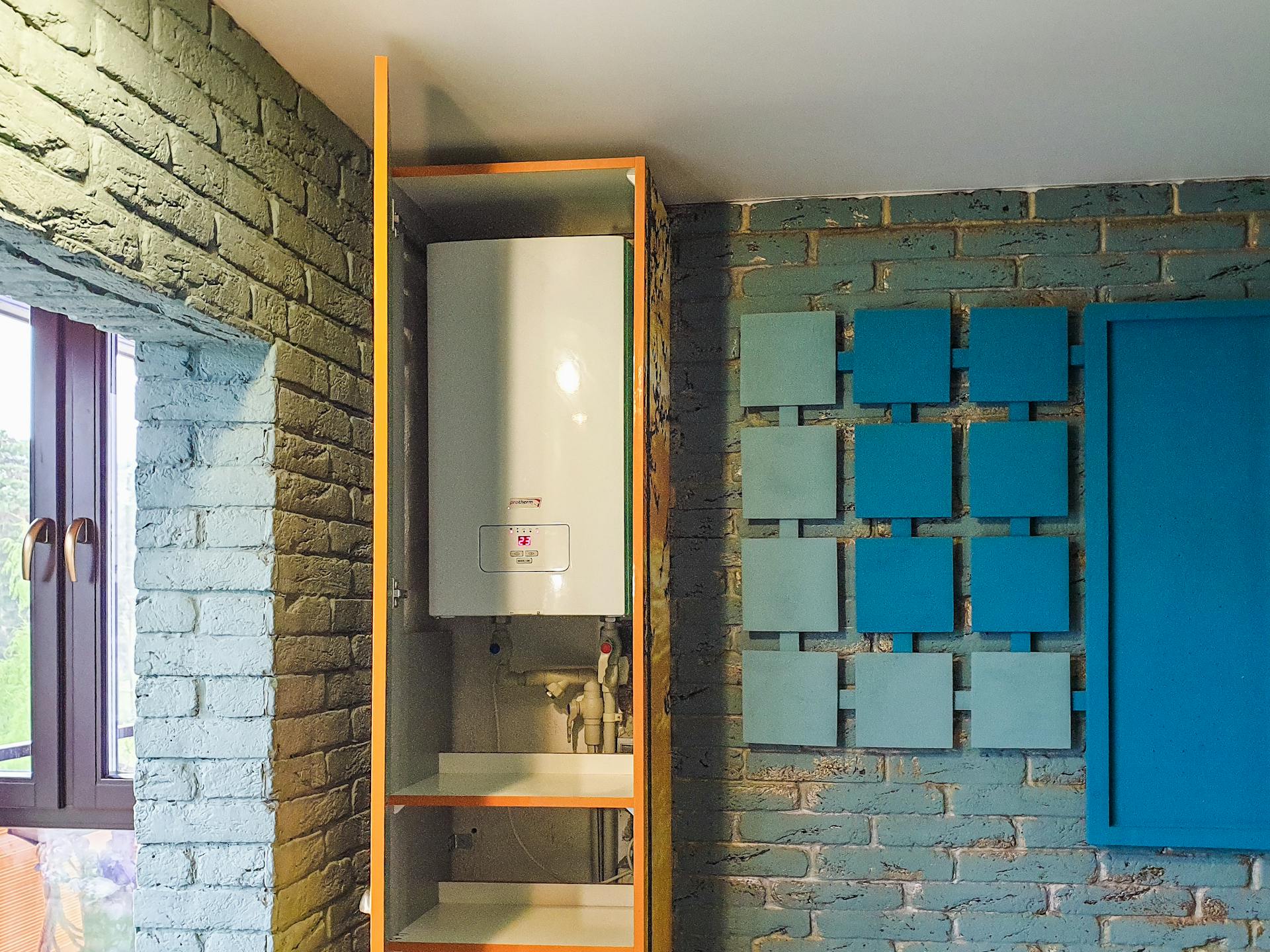
Most water heaters tell you they’re done — you just have to know what they’re saying. The challenge is telling normal aging from a fixable problem, because the answer is usually different by hundreds of dollars.
Here’s how I make the call when I’m standing in front of one.
Five signs you’re past repair.
- It’s older than its lifespan. Tank water heaters typically last 8 to 12 years. Tankless units run 15 to 20 with regular flushing. If yours is past that range and acting up, replacement almost always wins — the next failure is months away, not years.
- There’s rust in the hot water. If only the hot side runs rusty, that’s the tank itself corroding from the inside. There’s no fix for that.
- You’ve called for repairs more than once in the last year. A failed thermostat is normal wear. A failed thermostat plus a failed heating element plus a leaking valve in twelve months is a unit telling you it’s done.
- The tank is rumbling, popping, or banging. That’s sediment cooked onto the heating element. You can buy time with a flush — but if it’s been doing it for a while, the damage is already done.
- You see water around the base of the tank. Not a fitting leak — water under the tank itself. The tank has cracked. Replace it before it lets go all at once.
Three problems that are usually a fix, not a swap.
- No hot water with a humming unit — usually a failed heating element or thermostat. A few hundred dollars to repair, not thousands to replace.
- Lukewarm water that runs out fast — frequently sediment buildup. A flush plus a thermostat check usually solves it.
- A drip from a fitting at the top of the tank — a fitting can be tightened or replaced. The tank itself is fine.
If you’re replacing, tank vs. tankless. Tank is cheaper to install and easier to swap when it fails. Tankless gives you endless hot water, takes less floor space, and lasts longer — but the install is more involved (gas line, venting, electrical) and the up-front cost is higher. For most Central Oregon homes I quote both and let the homeowner decide based on hot-water demand and budget.
If yours is acting up and you’re not sure which side of the line you’re on, I’ll come look at it and tell you straight. No hard sell either way.
— Greg
Leave a Reply