
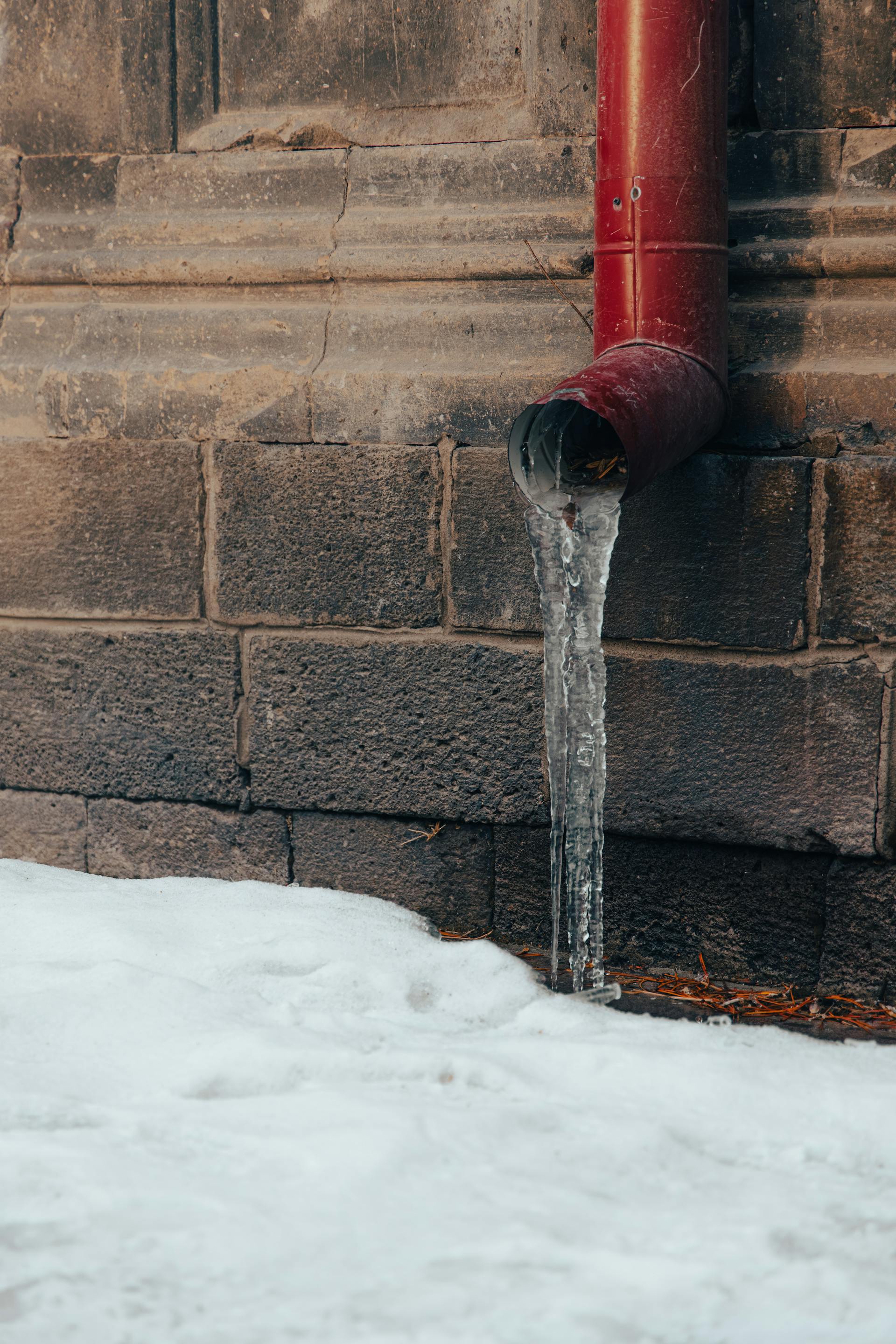
Central Oregon’s freeze isn’t theoretical. From October through March we get sub-freezing nights regularly, with the worst stretches dropping into the teens around Bend, Redmond, and Terrebonne. If your plumbing hasn’t been buttoned up before that first deep cold snap, the first warning you get is usually a burst pipe — at 2 a.m., on a Sunday, with water running into your crawl space.
Here’s the checklist I run on my own house every fall, and I’d run on yours.
1. Drain and disconnect the outdoor hoses. A garden hose still attached to a hose bib will hold water against the bib all winter. That water freezes, expands, and the cracked pipe hides inside the wall — you don’t find it until spring when the wall starts dripping. Pull every hose. Drain it. Hang it in the garage.
2. Shut off the water to exterior fixtures. Most homes have an interior shut-off for each frost-free hose bib. Close it, then open the outside spigot to drain the line. If you don’t know where your shut-offs are, find them now — not when the line is already split.
3. Insulate the crawl space lines. Pipe insulation is cheap and the install takes an afternoon. Pay particular attention to lines running along exterior walls and any lines near a crawl-space vent. If your crawl space vents are still open in November, you’re cooling the pipes on purpose.
4. Find your main shut-off and label it. When a pipe does fail, the difference between a $500 cleanup and a $5,000 cleanup is how fast someone gets the water off. Tape a label on it. Show your spouse, your kids, your house-sitter.
5. On the worst nights, drip a faucet. A pencil-thin stream from your most exposed faucet keeps water moving through the lines. It costs you a few cents in water; it can save you the cost of a repipe.
If you want a hands-on walkthrough — every house has its own weak spots — call me. Half an hour of winterizing in October beats a week of drying out your floors in January.
— Greg
Leave a Reply